


AI in Art Education: Teaching, Design, and Impact Explored
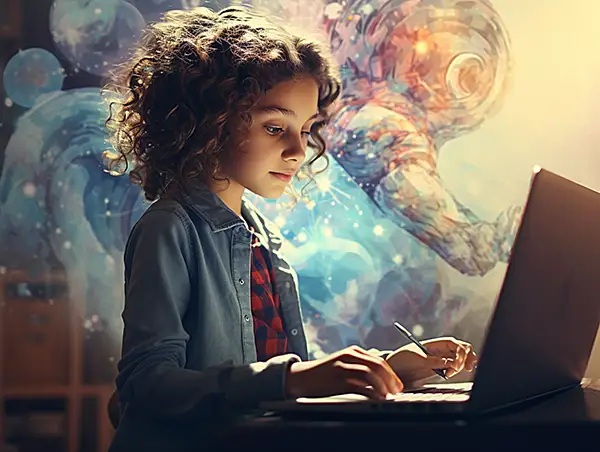
The Role of AI in Art Education
In the ever-evolving landscape of technology, Artificial Intelligence (AI) has emerged as a significant force, revolutionizing various sectors including education. The world of art and design education is no exception. AI’s integration into this field is reshaping how art is taught and learned, offering new opportunities and challenges. This blog explores the role of AI in art education, its current applications, and its potential impact on the future of this creative discipline.
Transforming Learning Environments
AI has significantly transformed traditional learning environments. In art education, AI-powered tools and software are enabling students to experiment with a range of techniques and styles, without the need for extensive physical resources. AI algorithms can suggest modifications, enhance artistic compositions, and even predict trends in art, providing a dynamic learning experience.
One ground-breaking example is the use of AI in colour theory classes. AI tools can analyse an image and suggest colour adjustments, teach about complementary colours, or demonstrate the emotional impact of certain colour schemes. This not only makes learning more interactive but also offers personalized feedback, enhancing the educational experience.
Enhancing Creativity and Design
In design education, AI is used to teach principles of design, layout, and typography. AI-based software can generate design options based on specific criteria, such as a brand’s identity or current design trends. This allows students to learn not only about design principles but also about how to leverage technology to enhance creativity.
Furthermore, AI is enabling students to explore new realms of creativity. For instance, generative art, where algorithms create art based on set parameters, is becoming a popular tool in art schools. This technology encourages students to think about art in new ways, pushing the boundaries of traditional art forms.
Personalized Learning Experiences
One of the most significant impacts of AI in art education is the personalization of learning. AI algorithms can analyze a student’s work and provide tailored feedback, identifying areas of strength and those needing improvement. This personalized approach helps students develop their skills more effectively and at their own pace.
AI also facilitates adaptive learning platforms that can modify content based on a student’s progress and learning style. This ensures that each student receives instruction that is best suited to their individual needs, making education more inclusive and effective.
Preparing for the Future
AI in art education is not just about enhancing current teaching methods; it’s also about preparing students for the future. As AI and machine learning become more prevalent in the art and design industries, students need to be proficient in these technologies. Educators are incorporating AI into their curricula to ensure that students are equipped with the skills required in a tech-driven job market.
Moreover, understanding AI and its implications in art allows students to critically engage with ethical and philosophical questions about the role of technology in creativity. This is crucial in developing a generation of artists and designers who are not only technically proficient but also thoughtful and responsible creators.
Challenges and Considerations
Despite the benefits, the integration of AI into art education comes with challenges. One concern is the potential loss of traditional art-making skills. It’s important for educators to strike a balance between teaching classic techniques and new, AI-driven approaches.
There’s also the issue of accessibility. High-quality AI tools and software can be expensive, potentially creating a divide between institutions that can afford them and those that cannot. Ensuring equal access to technology is critical in maintaining a fair and inclusive educational landscape.
Conclusion
AI is undoubtedly playing a transformative role in art education. It’s enhancing how art is taught and learned, enabling personalized and dynamic learning experiences, and preparing students for the future. However, it’s essential for educators and institutions to address the challenges this technology presents, ensuring that the evolution of art education remains inclusive, balanced, and true to the core values of artistic expression.
As we move forward, the integration of AI in art education will continue to evolve, promising exciting possibilities for both educators and students. Embracing this change while remaining mindful of its impact will be key in nurturing a new generation of artists and designers who are both technically adept and creatively profound.
Sign up for 10% off your first order
Subscribe to our mailing list and get 10% off your first purchase