


Navigating the Ethical Terrain of AI-Generated Art
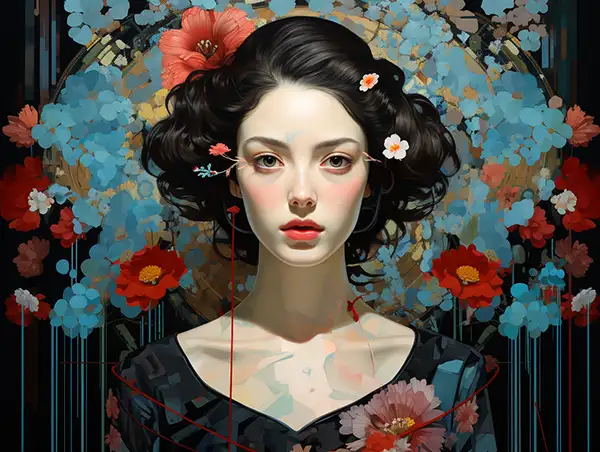
In the burgeoning era of artificial intelligence, the realm of art has witnessed a seismic shift with the advent of AI-generated art. This technological marvel, capable of producing visually stunning and conceptually intricate pieces, poses significant ethical considerations. Key among these are questions of authorship, originality, and the implications for traditional artists. As we delve into this fascinating yet complex domain, it becomes imperative to balance the potential and pitfalls of AI in art.
Authorship in the Age of AI
One of the most pressing ethical concerns in AI-generated art is the question of authorship. Traditionally, art is an expression of the human spirit, a manifestation of an individual’s vision and creativity. However, when an AI system creates a piece of art, the lines of authorship become blurred. Is the creator the programmer who designed the AI, the user who inputs the parameters, or the AI itself? This dilemma is not just philosophical but also legal, as it influences copyright and ownership laws. In an era where AI can replicate styles and generate novel compositions, determining the rightful owner of an artwork becomes a complex and nuanced issue.
Originality and Creativity: Redefining Artistic Expression
AI-generated art also raises questions about originality and creativity. AI algorithms, particularly those based on machine learning, often rely on vast datasets of existing artworks to create new pieces. This process leads to concerns about the originality of AI-generated art. Does an artwork lose its value if it’s derived from pre-existing works? Can AI truly be creative, or is it merely an advanced form of mimicry?
Furthermore, the concept of creativity, traditionally seen as a uniquely human trait, is challenged by AI’s capability to produce art that resonates emotionally with viewers. This redefinition of creativity has profound implications for our understanding of art and the role of the artist in society.
Impact on Traditional Artists and the Art Industry
The rise of AI in art also has significant implications for traditional artists and the art industry. On one hand, AI offers new tools and possibilities for artists, allowing them to explore uncharted territories of creativity and expression. However, on the other hand, it introduces a competitive factor that could potentially undermine the value of human-created art.
For emerging artists, AI-generated art poses a dual challenge. It could democratize art creation, making it more accessible to those without formal training. Yet, it might also saturate the market, making it harder for traditional artists to gain recognition and livelihood. The art industry must navigate these challenges, ensuring that AI serves as a complement rather than a replacement for human creativity.
Ethical Development and Use of AI in Art
To address these ethical concerns, it is crucial to develop and use AI in art responsibly. This involves transparency in the creation process, clearly acknowledging the role of AI and human inputs. It also requires careful consideration of the sources of data used to train AI systems, ensuring that they do not infringe upon the rights of other artists.
Moreover, the art community and legal systems need to evolve to accommodate the unique challenges posed by AI-generated art. This includes redefining copyright laws to consider the collaborative nature of AI art creation and establishing guidelines to maintain ethical standards in this new domain.
Embracing a Collaborative Future
Looking ahead, the future of art in the age of AI appears to be collaborative. Instead of viewing AI as a threat to traditional art, it can be seen as a powerful tool that expands the boundaries of artistic expression. By working together, artists and AI can create works that neither could achieve alone, leading to a richer, more diverse art world.
In conclusion, AI-generated art is not just a technological marvel but a mirror reflecting our evolving relationship with creativity and expression. As we navigate the ethical terrains of authorship, originality, and impact on traditional artists, it’s important to foster a dialogue that embraces the potential of AI while respecting and preserving the irreplaceable value of human touch in art. The journey ahead is complex, but it holds the promise of a vibrant fusion of human and artificial creativity, reshaping the landscape of art for generations to come.
Sign up for 10% off your first order
Subscribe to our mailing list and get 10% off your first purchase