


Revolutionizing Art Conservation: AI in Restoration and Preservation
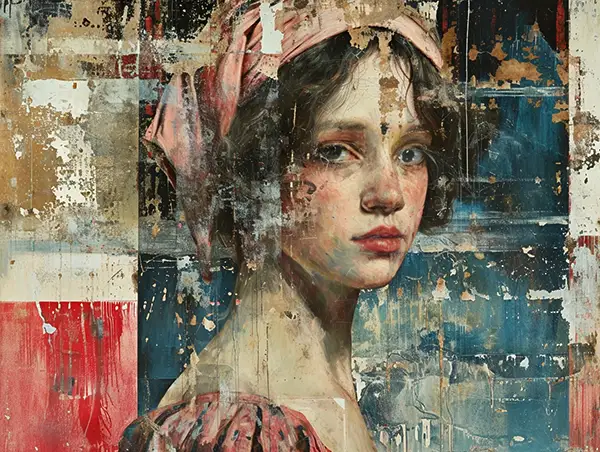
Art restoration and preservation are vital for safeguarding our cultural heritage. In recent years, artificial intelligence (AI) has emerged as a powerful tool in this domain, revolutionizing how we approach the conservation of historical artworks. This article delves into how AI is transforming the art restoration and preservation landscape.
The Intersection of AI and Art
AI’s involvement in art restoration isn’t entirely new, but its capabilities have significantly evolved. Initially, AI helped in digitizing artworks for archival purposes. However, today, its role extends to detailed analysis, restoration, and even predicting potential deterioration.
Analysis and Diagnosis
One of the primary ways AI contributes to art restoration is through detailed analysis. AI algorithms can examine artworks at a microscopic level, identifying issues imperceptible to the human eye. For instance, AI can detect early signs of cracking, fading, or other forms of deterioration. This analysis is crucial because it helps conservators prioritize areas needing urgent attention.
Restoration Process
AI’s most remarkable contribution is perhaps in the restoration process itself. By learning from vast databases of art, AI algorithms can suggest restoration strategies. In some cases, AI can predict how an artwork originally looked, aiding in restoring a piece to its former glory. For example, AI has been used to reconstruct missing pieces of frescoes or to remove layers of dirt and grime without damaging the underlying paint.
Predictive Conservation
AI also plays a role in predictive conservation. By analysing data from various sources, including environmental conditions like humidity and temperature, AI can predict how these factors might affect artworks over time. This predictive analysis helps in creating better conservation strategies, ensuring the longevity of the artworks.
Case Studies
Several successful projects highlight AI’s impact on art restoration. For instance:
- The Next Rembrandt Project: This project used AI to create a new painting in the style of Rembrandt. By analysing his previous works, AI could replicate his style, providing insights into his techniques and potentially aiding in the restoration of his actual paintings.
- Restoration of Lost Artworks: AI has been used to reconstruct lost artworks. For example, AI algorithms have recreated missing sections of ancient frescoes, giving us a glimpse into what these pieces might have originally looked like.
- Cleaning and Maintenance: In some projects, AI has been used to determine the safest methods for cleaning delicate artworks, ensuring that the process of removing centuries of dirt does not damage the original paint.
Challenges and Ethical Considerations
While AI’s role in art restoration is promising, it’s not without challenges. One significant concern is the authenticity of AI-assisted restorations. When AI reconstructs a portion of a painting, questions arise about whether the restored section is a true representation of the artist’s intent. There’s also the risk of over-reliance on AI, which might overlook the nuanced judgment that experienced conservators bring to the table.
Moreover, there’s an ethical debate around using AI to recreate lost artworks. While these reconstructions provide valuable insights, they also raise questions about the boundaries between restoration and creation.
The Future of AI in Art Restoration
Looking forward, AI’s role in art restoration and preservation is poised to grow. As these technologies become more sophisticated, they’ll provide even more precise analysis and restoration capabilities. However, it’s crucial to balance AI’s contributions with the expertise of human conservators. The future lies in a collaborative approach where AI aids and enhances human skills, rather than replacing them.
Conclusion
AI in art restoration and preservation represents a fascinating intersection of technology and culture. Its ability to analyse, restore, and protect artworks is transforming the field, offering new ways to maintain our artistic heritage. However, as we embrace these technological advancements, we must also navigate the ethical and practical challenges they present. Ultimately, the goal is to ensure that future generations can enjoy and appreciate these cultural treasures, just as we do today.
Sign up for 10% off your first order
Subscribe to our mailing list and get 10% off your first purchase